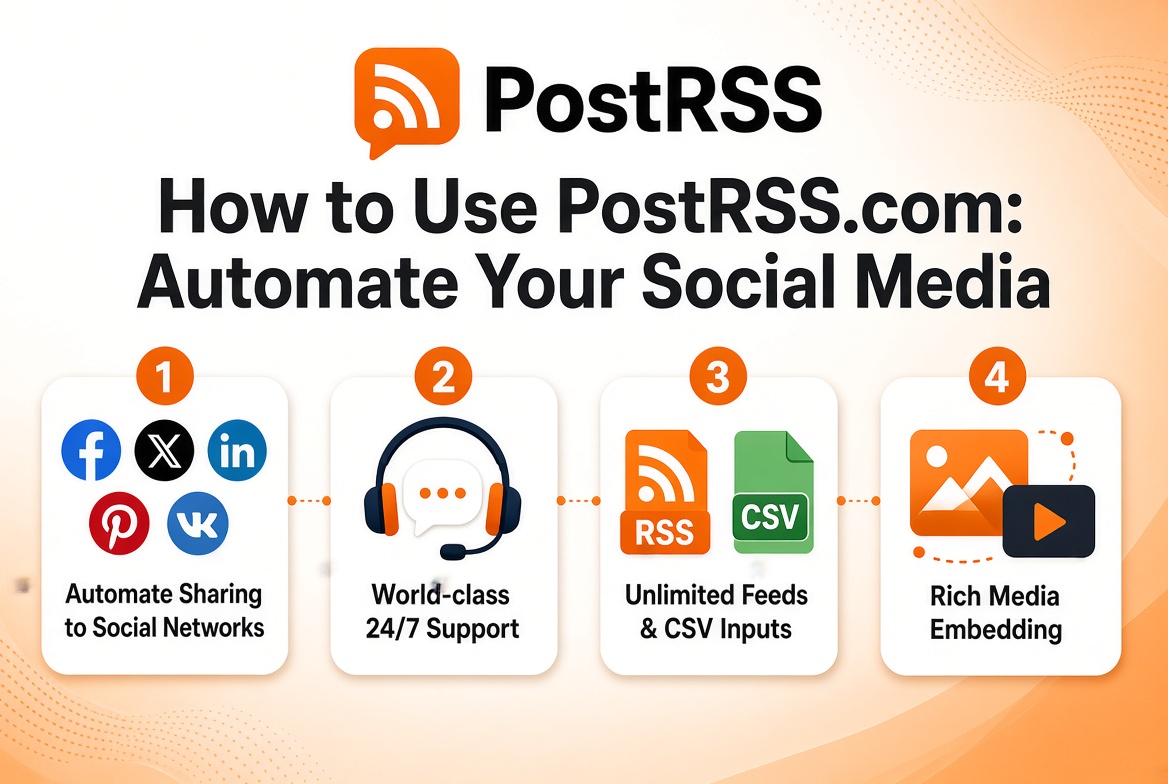
Maximize your online visibility, eliminate manual scheduling, and sync your digital content seamlessly across major networks.
In the contemporary digital landscape, content creation is only half the battle. The true determinant of digital success lies in strategic content distribution. Bloggers, e-commerce store operators, media outlets, and digital marketers dedicate countless hours to drafting high-quality articles, analyzing consumer trends, and refining products. However, if that content remains confined to an isolated website, its business impact is minimal.
Consistently executing manual updates across five or six distinct social media profiles is an operational bottleneck. Manually formatting links, uploading media files, adjusting descriptions, and scheduling distributions across multiple platforms leads to human error and severe productivity drains. This manual workflow pulls creators away from their core strengths: producing valuable, revenue-generating text and media assets.
This is where PostRSS provides a professional solution. Designed as a dedicated RSS feed automation platform and auto-posting utility, PostRSS acts as a bridge between an existing website and its target audience on major global networks. By transforming content syndication pipelines into hands-free automation workflows, the tool removes manual friction, expands audience reach, and ensures web assets achieve continuous engagement 24/7.
At its core, PostRSS operates on a streamlined, automated architecture: data retrieval, ingestion, structural formatting, and secure multi-destination delivery. The platform replaces complex custom code blocks, brittle custom webhooks, or expensive generic integration suites with a dedicated content delivery dashboard.
The system integrates cleanly with any standard RSS (Really Simple Syndication) or Atom feed. Virtually every modern Content Management System (CMS)—including WordPress, Joomla, Drupal, and Magento—implicitly generates an organized RSS feed detailing every new piece of content, image asset, or product listing published. PostRSS continuously reads these XML data streams, tracks structural changes, and identifies freshly published URLs instantly.
For organizations lacking standard RSS syndication, or those managing historical archives, bulk marketing promotions, or curated link repositories, PostRSS features a robust CSV (Comma-Separated Values) file upload system. This allows social media managers to batch-prepare hundreds of structured posts, programmatic landing pages, or product links within a spreadsheet software, upload the asset, and map data variables to live social posts.
Automation value depends directly on timing precision. PostRSS offers variable, high-performance polling intervals ranging from every 5 minutes on entry-tier configurations to an aggressive 1-minute polling cycle on enterprise structures. When a new digital asset drops on a verified site, PostRSS captures the metadata and dispatches updates to linked targets almost instantly, establishing an early-mover advantage in breaking news fields.
To maximize return on investment, teams must fully understand how PostRSS adapts to individual social environments. Each channel relies on unique algorithms, presentation rules, and audience expectations. PostRSS addresses these structural differences directly, tailoring outgoing content streams to match each network's native requirements.
Facebook remains a foundational platform for brand validation, direct customer communication, and referral traffic. However, organic reach on the platform requires predictable, high-quality consistency. PostRSS allows brands to connect their RSS updates directly to Facebook Pages, keeping business profiles continuously active without manual interference.
Our Facebook auto poster page covers the connection steps and the posting template in detail.
Facebook Groups and personal profiles are not supported: Meta closed the Groups publishing API in April 2024, so PostRSS, like every other tool, posts to Facebook Pages only.
Rather than pushing raw, unappealing text strings, the platform extracts internal Open Graph tags to create rich media posts featuring expansive preview cards, localized headings, and tailored text prefixes. This presentation closely mimics a dedicated manual update, directly supporting higher user click-through rates.
X operates on immediacy, high conversational volume, and concise delivery. On this network, content value depreciates rapidly, making manual real-time posting incredibly demanding for active news blogs, financial analysts, or live digital publishers.
PostRSS streamlines this environment by translating RSS entry nodes into tightly optimized micro-blog updates. The platform extracts primary headlines, appends target links, and includes pre-configured text prefixes or hashtag frameworks to fit character limits seamlessly. By establishing consistent 5-minute or 1-minute publishing routines, a website ensures its profile feeds stay active across diverse global timezones, driving organic discovery and sustainable impressions from active industry feeds.
LinkedIn serves as the primary hub for business-to-business (B2B) engagement, professional networking, corporate branding, and talent acquisition. Content distributed here needs to maintain an authoritative, polished tone. PostRSS lets organizations link corporate websites, executive blogs, or knowledge bases directly to LinkedIn Company Profiles.
When an organization publishes an analytical whitepaper, case study, or corporate update, PostRSS handles the cross-platform distribution immediately. The platform processes underlying metadata to build clean, professional link blocks that align with LinkedIn's executive layout. This approach keeps professional networks reliably updated, positioning brands as consistent industry leaders while saving corporate communications teams valuable time.
Pinterest functions less like a conventional conversational network and more like a visual search engine. For e-commerce businesses, design studios, culinary innovators, lifestyle platforms, and architectural blogs, Pinterest is an essential source of long-term organic referral traffic.
PostRSS bridges visual content websites with Pinterest boards by extracting featured images and associated media elements directly from an incoming RSS feed. The platform processes these assets, pairs them with descriptive post metadata, and automatically creates high-resolution, clickable Pins linked to specific landing pages. This visual automation helps design portfolios, e-commerce listings, and creative projects maintain a persistent presence on relevant boards, building a self-sustaining traffic engine from highly visual buyers.
For international organizations, localized publishers, and global e-commerce systems, regional audience diversification is key to unlocking new markets. VKontakte represents an important digital channel throughout Eastern Europe and Central Asia, areas where conventional Western platforms often see less adoption.
PostRSS includes native support for VKontakte Page Automation, ensuring multi-regional strategies can run efficiently from a single central hub. Outgoing web updates are automatically processed and formatted to fit VK’s distinct platform structure, enabling marketing teams to reach millions of additional regional users without needing to learn separate native management tools.
The auto-post RSS to VK page goes through the same process field by field.
Connecting a feed is only the start. Each target has settings that decide what the finished post looks like:
media:content or the first image in the item) or from the page’s Open Graph tags.utm_source=postrss are added to every link, so analytics shows what each network brought.Multi-channel growth depends on posting the right things at the right pace. Keyword filters include or exclude items by words in their title and description, so each channel receives only relevant content. The order setting publishes newer items first, older items first or in random order, and a maximum number of posts per update prevents floods on busy days. On paid plans, posting windows restrict publishing to chosen hours or to exact times on chosen days in your time zone. Catch-up lets you pick a start date so older items that were never shared are posted too.
Facebook, X, LinkedIn, Pinterest and VKontakte are only part of the picture. PostRSS publishes to 66 networks: Fediverse platforms such as Mastodon, Bluesky, Pixelfed and Lemmy; messaging channels such as Telegram, Discord and Viber; team chats such as Google Chat, Mattermost and Zoom Team Chat; publishing platforms such as WordPress, Blogger, Ghost and Tumblr; and Asian networks such as LINE and WeChat. Instagram, TikTok, OK.ru and Google Business Profile are built and currently being tested while they wait for platform approval. Webhooks pass each new item to Slack, Microsoft Teams, Zapier, Make or n8n, and developers can use the REST API v1. The features page lists every network by type.
No. Meta closed the Facebook Groups publishing API in April 2024, so PostRSS posts to Facebook Pages only. Personal profiles cannot be automated either.
Every 5 minutes on all plans, including Free, and every minute on Enterprise plans. You can also choose a slower interval, up to once a week.
On the Professional plan and above you can upload a CSV file instead, where one row becomes one post. Official plugins for WordPress, PrestaShop and OpenCart also build the feed for you.
X is included from the Ultimate plan at $40 per month. The networks included in each plan, including LinkedIn, are listed on the pricing page.
What changed in the networks, what broke, and how to fix it before it costs you reach.
Built by Internet Solutions, the team behind PostRSS. Each product saves you time in its own way.
 English
 Lietuviškai
 Deutsch
 Français
 Русский
 Español
 Polski
 Italiano
 Українська
 Čeština
 Português
 日本語
日本語 Latviešu valoda
 Eesti
Eesti Magyar
 Bahasa Indonesia
 Türkçe
 हिन्दी
 Ελληνικά
 العربية
 ไทย
ไทย Tiếng Việt
 Română
 Bahasa Melayu
 বাংলা
বাংলা
