WordPress Feed Feed to Facebook

This tag covers connecting a WordPress site's RSS feed to Facebook for automated posting through PostRSS, including troubleshooting for sites with custom feed URLs. Because some WordPress SEO or caching plugins can alter the default feed output, confirming the actual feed URL before connecting to PostRSS is worth doing first. In PostRSS, a Facebook destination is set up as a "Target" — each connected Page or Group counts toward your plan's target limit, and every post it publishes counts against your monthly "Tasks" allowance. PostRSS checks your source feed every 5 minutes on every plan, including Free, so a new Facebook post typically appears within minutes of the original content going live. Articles here cover both the standard setup path and common feed-related issues specific to WordPress. Facebook is available from PostRSS's Free plan onward.
Not Using Automatically Posting Your RSS Feeds Yet? Here Is Why You Should Start Today
Actualizado: 2026-08-30

In the modern digital landscape, content marketing is one of the most powerful engines for driving business growth, building br...

Leer más »

The Ultimate Guide to Automatically Posting Your RSS Feed to Major Social Networks
Actualizado: 2026-08-30

In the modern digital environment, content distribution is just as important as content creation. You can write the most insigh...

Leer más »

PostRSS: How to Become More Visible on Social Networks Effortlessly
Actualizado: 2026-08-14

In the crowded digital landscape, visibility is everything. If your audience doesn't see your updates regularly, your brand...

Leer más »
How to Configure Custom Time Zones in PostRSS for Perfect Social Media Timing
Actualizado: 2026-08-30

When distributing content to a global audience, timing is everything. A brilliant blog post or product announcement won't g...

Leer más »

Cómo encontrar y obtener el enlace del feed RSS de su blog de Blogspot / Blogger
Actualizado: 2026-08-30

To fully automate your social media content syndication from your Blogger or Blogspot site, you need to find your blog's na...

Leer más »

Cómo encontrar y obtener el enlace del feed RSS de su blog de WordPress
Actualizado: 2026-08-14

To fully unlock the power of automated social media marketing from your WordPress website, you need to find your site's nat...

Leer más »

Share Your Content to Social Networks Effortlessly with PostRSS
Actualizado: 2026-08-30

If you are looking for an efficient way to autopost your website content directly to major social networks, you are in the righ...

Leer más »

What is RSS and How to Auto-Post from WordPress to Social Media
Actualizado: 2026-08-30

As a WordPress publisher, you have likely come across the term RSS multiple times. Every standard WordPress website automatical...

Leer más »
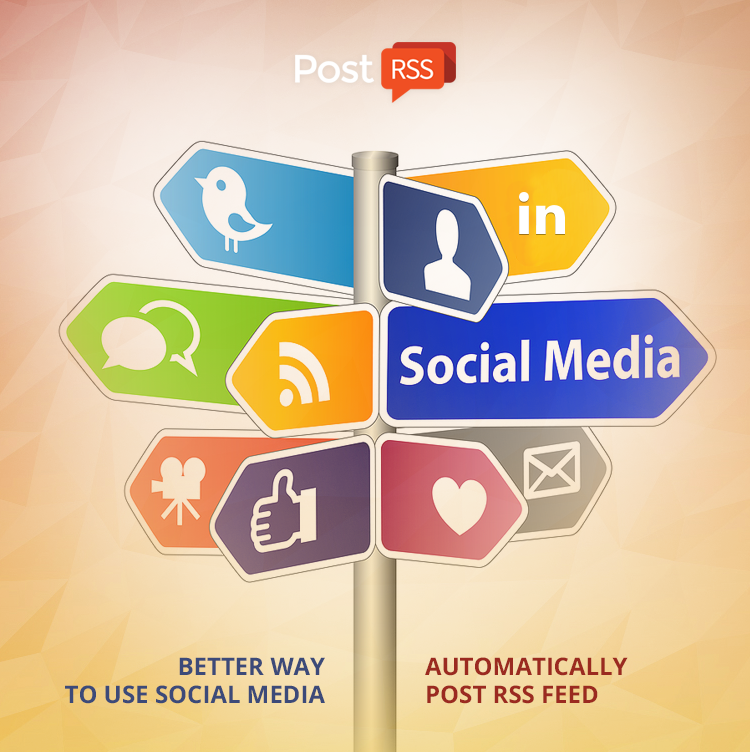
The Better Way to Use Auto-Posting for Facebook, X, LinkedIn, and VKontakte
Actualizado: 2026-08-30

Social media automation is one of the most powerful tools available to modern website owners, digital agencies, and bloggers. I...

Leer más »
Facebook Groups RSS Automation: How to Scale Your Community Management on Autopilot
Actualizado: 2026-08-30

Building an active online community is one of the most rewarding strategies for modern brands, content creators, and businesses...

Leer más »

Automate Your Content Syndication: How to Streamline RSS Feeds to Facebook and X
Actualizado: 2026-08-30

Consistently executing a digital marketing strategy requires a continuous presence where your target audience spends their time...

Leer más »
PostRSS: Saving Your Time with Auto Post RSS Feed Functionality
Actualizado: 2026-08-14

Time is the most valuable asset for any digital creator, entrepreneur, or marketer. If you are still manually copying titles, u...

Leer más »

Cargando más artículos…
Menú
x
PostRSS - Plataforma de automatización de feeds RSS y herramienta de auto-publicación
Resumen de privacidad

Este sitio web utiliza cookies para que podamos brindarle la mejor experiencia de usuario posible. La información de las cookies se almacena en su navegador y realiza funciones como reconocerlo cuando regresa a nuestro sitio web y ayudar a nuestro equipo a comprender qué secciones del sitio web le resultan más interesantes y útiles.