
WordPress Autopost to Facebook

This tag covers automatically posting new WordPress articles to Facebook using the site's native RSS feed through PostRSS. WordPress generates a feed automatically at /feed/, and PostRSS reads it directly without requiring an additional on-server plugin, keeping the site's own performance unaffected. In PostRSS, a Facebook destination is set up as a "Target" — each connected Page or Group counts toward your plan's target limit, and every post it publishes counts against your monthly "Tasks" allowance. Posting to a Facebook Group specifically requires that the PostRSS app be added to the Group with admin-level posting rights, which Meta enforces separately from Page permissions. Articles here cover setups for both Facebook Pages and Groups, since Groups require the additional step of adding PostRSS's app with admin rights. Facebook is included even on PostRSS's Free plan.
¿Cómo sincronizar su cuenta social con las aplicaciones de PostRSS?
Actualizado: 2015-11-03

We receiving many questions: How to synchronize social my accounts? I am don't see my Facebook page in listings? How po...

Leer más »
Cómo publicar un enlace en Facebook con una miniatura de imagen grande
Actualizado: 26-08-2026

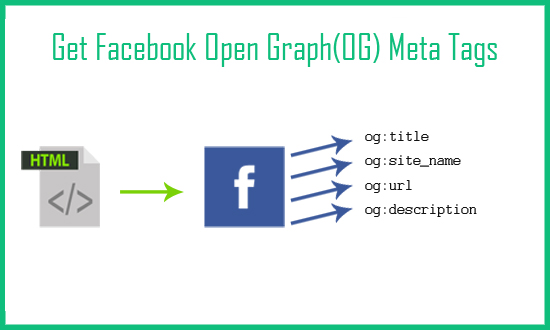
Today I will show you how to fetch facebook Open Graph (OG) meta tags with php script. Open Graph meta tags are used in html pa...

Leer más »

PostRSS Plans for Every Size: From Solo Start to Enterprise 5000
Actualizado: 2026-08-30

Updated: 2026-08-20 This post originally announced two additions to PostRSS's pricing lineup back in June 2015: a S...

Leer más »

Automate Your Pinterest Marketing: How to Turn Visual Content into Continuous Web Traffic
Actualizado: 2026-08-30

Updated: 2026-08-20 Pinterest is not just another social network; it is a powerful visual search engine. For e-commerce...

Leer más »

Menú
x
PostRSS - Plataforma de automatización de feeds RSS y herramienta de auto-publicación
Resumen de privacidad

Este sitio web utiliza cookies para que podamos brindarle la mejor experiencia de usuario posible. La información de las cookies se almacena en su navegador y realiza funciones como reconocerlo cuando regresa a nuestro sitio web y ayudar a nuestro equipo a comprender qué secciones del sitio web le resultan más interesantes y útiles.