
Joomla RSS Feed to X (Twitter)

This tag covers connecting a Joomla website's RSS feed to X (formerly Twitter) for automated posting through PostRSS, including character-limit formatting for Joomla article titles and summaries. Joomla generates its own native RSS feed for articles and categories, and PostRSS reads that feed directly, so no additional Joomla plugin is required on the site's own server. Because Joomla's feed structure can vary depending on which template or component generates it, it's worth verifying the feed URL and item formatting before connecting it to PostRSS. Once a Joomla feed is connected, PostRSS treats it exactly like a WordPress or other CMS feed: checking it every 5 minutes and publishing new items to whichever Targets are configured. Because Joomla article titles can run long, PostRSS trims and reformats the text automatically to fit X's character limits. This requires PostRSS's Ultimate plan for X access.
How to Increase Your Sales Automatically Using E-Commerce RSS Syndication
Actualizado: 2026-08-30

Updated: 2026-08-20 For e-commerce store owners, digital marketers, and product creators, driving consistent revenue is...

Leer más »
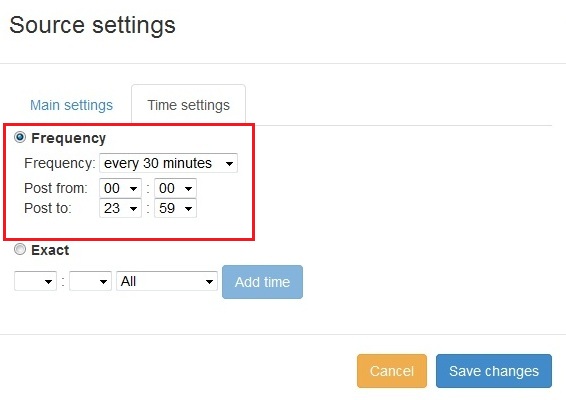
Nueva función añadida a PostRSS: selección avanzada de la hora de publicación
Actualizado: 2015-11-11

  New feature added to PostRSS Advanced posting time selection. No source from Advanced time settings Possible to add i...

Leer más »

¿Cómo sincronizar su cuenta social con las aplicaciones de PostRSS?
Actualizado: 2015-11-03

We receiving many questions: How to synchronize social my accounts? I am don't see my Facebook page in listings? How po...

Leer más »

Cómo publicar un enlace en X con imagen
Actualizado: 2026-08-30

Twitter Card META Tags There are four current types of Twitter/X Cards: summary, summary_large_image, player, and app. The sum...

Leer más »

Menú
x
PostRSS - Plataforma de automatización de feeds RSS y herramienta de auto-publicación
Resumen de privacidad

Este sitio web utiliza cookies para que podamos brindarle la mejor experiencia de usuario posible. La información de las cookies se almacena en su navegador y realiza funciones como reconocerlo cuando regresa a nuestro sitio web y ayudar a nuestro equipo a comprender qué secciones del sitio web le resultan más interesantes y útiles.