Demystifying Really Simple Syndication, locating your feed URLs, and transforming static content streams into automated marketing engines.
In an era dominated by algorithmic social media timelines, proprietary content discovery networks, and complex email marketing systems, one of the most reliable and influential web technologies remains largely invisible to the average user. That technology is the RSS feed.
Short for Really Simple Syndication (or *Rich Site Summary*), RSS is a standardized, structured XML-based data format that allows websites to broadcast their latest updates to the world in real-time. Instead of requiring users or external software applications to manually visit a website, click through various categories, and scan for fresh articles or products, an RSS feed serves as a digital broadcaster. It packages titles, author names, publication dates, images, and full text descriptions into a single, clean file that updates automatically the exact second new content is published.
For digital marketers, publishers, and content creators, understanding how to locate, optimize, and leverage this structured data stream is the ultimate shortcut to operational efficiency. By pairing a standard RSS feed with advanced automation tools, you can turn your website's content output into an independent, self-sustaining distribution network.
To understand the strategic value of RSS, it helps to examine its underlying mechanics. Unlike a standard HTML webpage, which is carefully formatted with CSS stylesheets, JavaScript interactions, and visual branding assets designed specifically for human eyes, an RSS feed is written cleanly for machine consumption.
When you publish a blog post, a podcast episode, or an e-commerce product page, your Content Management System (CMS) instantly updates an internal document—usually named feed, atom.xml, or rss.xml. This file is written in **XML (Extensible Markup Language)**. Because XML follows a strict, predictable hierarchical structure, external software scripts can parse, read, and extract information from it instantly without dealing with website clutter like navigation sidebars, pop-up forms, or cookie consent banners.
By keeping this core structure uniform across millions of websites, RSS serves as a universal translator for the web, allowing completely different platforms to share and read content seamlessly.
Most modern website frameworks generate an RSS feed automatically out of the box. However, because these paths run in the background, many site owners do not know their specific feed URLs. Below is a practical guide to locating RSS feeds on the world's most widely used content and e-commerce platforms.
| Platform CMS | Standard RSS Feed URL Formula | Example Format |
|---|---|---|
| WordPress (Self-Hosted & Com) | Append /feed/ to your main domain or category path. | https://example.com |
| Blogger / Blogspot | Append /feeds/posts/default to the blog URL. | https://blogspot.com |
| Shopify | Append .atom to any collection or product main URL. | https://example.com |
| Joomla | Append ?format=feed&type=rss to active blog view menu paths. | https://example.com |
| YouTube Channels | Use the standard channel video feed path combined with your unique Channel ID. | https://youtube.com... |
If you are utilizing a custom-built website framework or cannot locate your feed using standard formulas, you can discover it directly through your web browser. Simply navigate to your website homepage, right-click anywhere on the page, and select **"View Page Source"**. Use the search command (Ctrl+F or Cmd+F) and type in type="application/rss+xml" หรือ type="application/atom+xml". If an RSS stream is supported, you will find a hidden link element in the website header pointing directly to your live feed URL.
Historically, web users relied on desktop RSS readers (like Feedly or the classic Google Reader) to organize their morning news consumption. While consumer feed reading remains popular, the true power of RSS today lies in **B2B marketing automation and content syndication**.
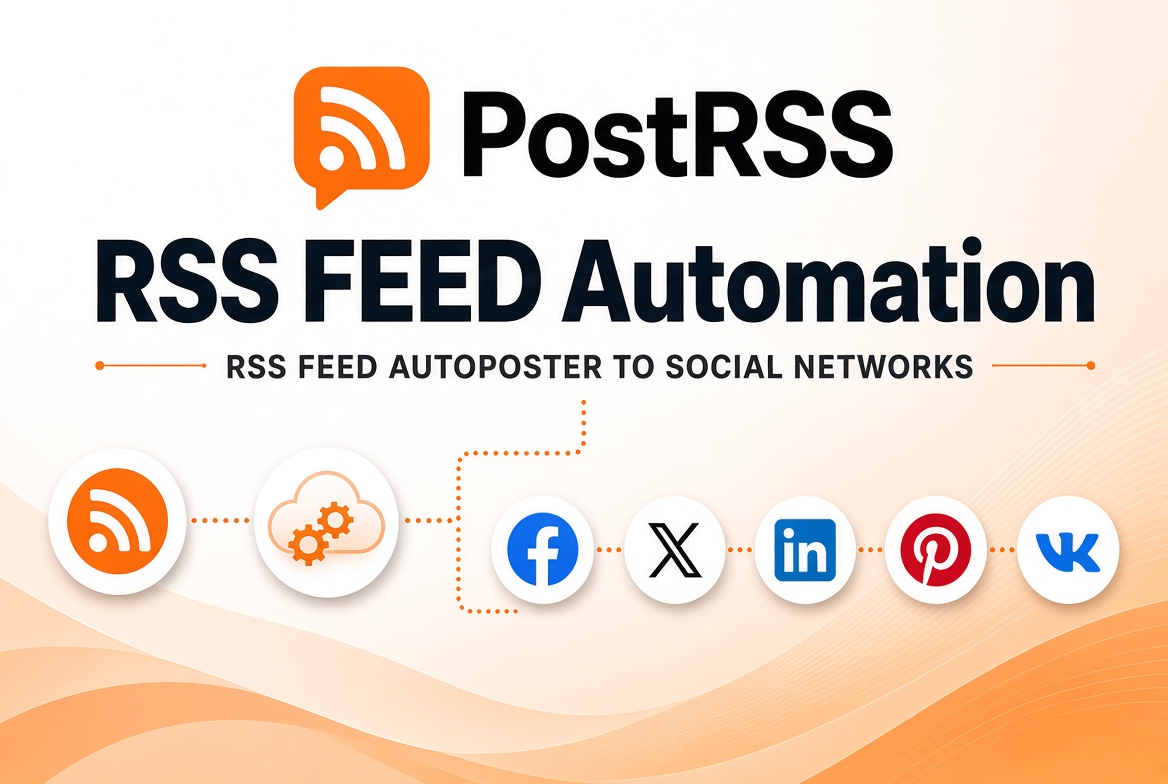
When you connect your site's RSS feed to a dedicated auto-posting tool like PostRSS, you convert a static file into an active broadcasting system. Rather than manually copying links and writing social updates every time an item is published, an automated platform monitors your feed file for changes. The moment a new entry is detected, it extracts the title, image, and link, formats the update to match platform guidelines, and instantly posts it to connected networks.

